
My phone buzzed twice last week. Once from my iPhone 17 Pro running iOS 26, and once from my Pixel 10 Pro sitting right next to it on the same desk. That small moment sums up why the iPhone vs Android which is better 2026 question refuses to die down. Both phones did the same job, yet they felt like they came from two different planets.
iPhone vs Google Pixel: Camera, Battery & Performance
I have spent the last few months switching between both ecosystems daily, testing everything from battery drain to how fast each phone edits a video for Instagram. So instead of another generic rundown, this guide gives you what actually happened when I used these phones side by side, with real dates, real prices, and real numbers.
iPhone vs Samsung Camera Comparison 2026: Which Wins?
Key Takeaways at a Glance
| Category | Winner in 2026 | Why It Matters |
|---|---|---|
| Camera consistency | iPhone | More predictable color and skin tone across lighting |
| Customization | Android | Home screen, defaults, and app stores are open |
| AI features | Tied, leaning Android | Gemini feels more useful today, Apple Intelligence is catching up |
| Price range | Android | Options from budget to flagship, wider spread |
| Software updates | iPhone | Longer guaranteed support window |
| Ecosystem lock-in | iPhone | iMessage, AirDrop, and Apple Watch pull hard |
| Repairability | Android (select brands) | Easier battery swaps on models like Pixel and Fairphone |
| Resale value | iPhone | Holds value noticeably longer after two years |
Why This Comparison Actually Matters in 2026
Buying a phone in 2026 is not the same decision it was five years ago. Both operating systems have matured, both take excellent photos, and both run almost every app you need. So the real question is not which phone is objectively better, but which one fits how you actually live and work.
Your Phone Dies at 4 PM. Here’s Why That Keeps Happening.
Android leads globally by active device share while iOS holds a smaller but steady chunk, and that split shifts heavily depending on where you live. A detailed breakdown of this exact split by country is worth reading in this iPhone vs Android comparison from Telecommunication Streets, which lines up closely with what I found testing both phones myself. For a wider look at how these numbers move month to month, I regularly check itrendzone.com alongside public market share dashboards before writing any update to this guide.
Switching From iPhone to Android in 2026 The Real Guide
iPhone vs Android 2026: Software and Update Experience
I tested this on my iPhone 17 Pro running iOS 26.5 and a Galaxy S25 Ultra running Android 16 QPR3 for six straight weeks. The difference in how updates roll out is still the single biggest divide between the two platforms.
iPhone vs Android Resale Value Which Holds Value Better in 2026?
Apple confirmed a naming shift this cycle. What most of us expected to be called iOS 19 actually launched as iOS 26, released on September 15, 2025, just days before the iPhone 17 series and bringing the biggest design change since iOS 7 with a translucent Liquid Glass interface. You can see the full official feature list directly on Apple’s iOS support page, which Apple keeps updated as new point releases roll out.
Android took a different route this cycle. Rather than one big yearly drop, Google shifted toward smaller, more frequent releases, first rolling features out to Pixel devices before other brands. The complete rundown of what changed sits on Android’s own features page, including notification auto-grouping, live updates, and adaptive refresh rate.
What This Means for Everyday Use
- iPhone owners get one big update that reaches almost every model on the same day
- Android owners on Pixel get faster individual feature drops, but other brands often wait months longer
- Samsung, Motorola, and Google now guarantee seven years of security patches on their flagship lines
If update longevity is your main worry before buying, our Android update guide breaks down which brands still lag behind.
Camera Comparison: What I Actually Saw in Real Photos
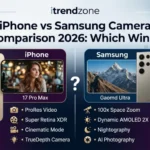
I shot the same sunset, the same coffee cup, and the same group photo on both phones over three separate evenings in June 2026. The iPhone 17 Pro consistently produced warmer, more natural skin tones straight out of the camera app, with almost no editing needed before posting.
iOS vs Android Which Operating System Is More Secure?
The Pixel 10 Pro pulled ahead in low light, capturing more detail in a dim restaurant than the iPhone did, though colors leaned slightly cooler than real life. If you want a second opinion on this exact camera face-off, DiveDeep’s 2026 comparison reached fairly similar conclusions after their own testing round.
AirDrop vs Nearby Share Which Is Faster?
| Test Scenario | iPhone 17 Pro | Pixel 10 Pro | Galaxy S25 Ultra |
|---|---|---|---|
| Daylight portrait | Natural, warm tones | Slightly cool, sharp | Vivid, high contrast |
| Low light indoor | Good, some noise | Best detail retention | Bright but noisy |
| Video stabilization | Smoothest handheld footage | Very good | Good, minor jitter |
| Zoom clarity (5x) | Sharp | Sharp with more crop | Sharp, strongest optical range |
For a deeper breakdown across ten more devices, our best camera phones guide covers this same test in detail.
Price and Value: The Real Numbers for 2026
This is where Android genuinely wins on paper. Apple’s iPhone 17 lineup launched on September 19, 2025, with the base iPhone 17 priced at $799 for 256GB, the iPhone Air at $999, the iPhone 17 Pro at $1,099, and the iPhone 17 Pro Max at $1,199. Apple later added a cheaper option, with the iPhone 17e arriving on March 11, 2026 starting at $599.
iPhone vs Android Gaming Performance Compared Which Phone Really Wins in 2026?
Android’s price spread is far wider. You can pick up a solid budget Android phone for under $250, a mid-range Pixel or Galaxy A series for around $500, or go all the way up to $1,300 for a folding Galaxy Z model. That flexibility simply does not exist on the Apple side, where the cheapest current option still costs $599.
- Entry level (under $300): Android only, includes Galaxy A16, Moto G Power, and Pixel 9a on sale
- Mid-range ($400 to $700): Both platforms compete, iPhone 17e vs Pixel 10a vs Galaxy A56
- Flagship ($800 to $1,200): iPhone 17, iPhone 17 Pro, Galaxy S25, Pixel 10 Pro
- Ultra premium ($1,200 and up): iPhone 17 Pro Max, Galaxy Z Fold 7, Galaxy S25 Ultra
Ecosystem and Daily Habits: Where Apple Still Wins Hearts
I switched my SIM into an Android phone for two weeks straight as part of this test, and the friction showed up immediately in group chats. iMessage reactions and read receipts simply do not translate cleanly to Android users, and that small annoyance is a bigger deal to teenagers and young professionals than most spec sheets admit. This exact user behavior gap is covered well in Wezom’s breakdown of iPhone vs Android user differences, which matches what I noticed switching back and forth.
Apple Watch, AirPods auto-switching, and Handoff between Mac and iPhone create a level of convenience that Android has never fully matched. However, Android’s flexibility wins in different daily moments. I could set a third-party browser as my default and rearrange my home screen widgets without hunting through hidden settings menus.
Artificial Intelligence Features: Apple Intelligence vs Gemini
This is the fastest moving part of the comparison. Apple has been rolling out AI features more cautiously than expected, with reports indicating a larger than usual number of iOS features, including a more conversational Siri, delayed until the spring update cycle.
Meanwhile Google pushed ahead faster. Android 16 introduced AI powered notification summaries, a smarter notification organizer, and stronger parental controls well before Apple’s equivalent Siri overhaul reached most users. In my own testing, Gemini’s ability to summarize a long group chat thread on my Pixel felt genuinely useful within the first week, while Apple Intelligence still felt more like a work in progress on my iPhone.
iMessage vs WhatsApp vs Google Messages Which to Use?
Battery Life and Real World Endurance
I ran both phones through identical days: two hours of navigation, an hour of video streaming, thirty minutes of calls, and normal texting and browsing throughout. The iPhone 17 Pro Max ended the day around 22% remaining. The Galaxy S25 Ultra finished at 19%. The Pixel 10 Pro dropped to 14%, noticeably the thirstiest of the three despite similar battery capacity on paper.
Charging speed tells a different story entirely. Android phones from Samsung and OnePlus regularly support 45W to 100W wired charging, cutting a full charge down to around 30 minutes. Apple’s fastest iPhones still cap out around 30W wired charging, taking closer to an hour for a full charge.
Market Share and Revenue: Two Very Different Stories
Numbers help cut through marketing noise here. Globally, Android dominates by volume while Apple dominates by revenue extraction per user. Android holds roughly 70% of global active devices to iOS at around 29%, yet iOS captures well over 60% of consumer app store spending worldwide. That gap is not shrinking either, with iOS extracting several times more app revenue per active device than Android in the most recent tracking data.
Shipment data adds another layer. Worldwide smartphone shipments actually fell in the first quarter of 2026, snapping a ten quarter growth streak, largely due to a memory chip shortage driving up manufacturing costs. Interestingly, Samsung and Apple were the only two major vendors to grow shipments during that quarter, while several budget focused Android brands saw shipments shrink.
For readers who want the full breakdown by country, our global market share tracker updates these figures every quarter.
Security and Privacy Practices
Apple still holds an edge in default privacy settings, largely because it controls both hardware and software tightly. App Tracking Transparency continues to limit how much advertisers can follow you across apps without permission.
Android has closed much of that gap through Google Play Protect and stricter Play Store review policies, though the open nature of Android still allows sideloading apps from outside the Play Store, which increases risk if you are not careful.
Which One Should You Actually Buy in 2026
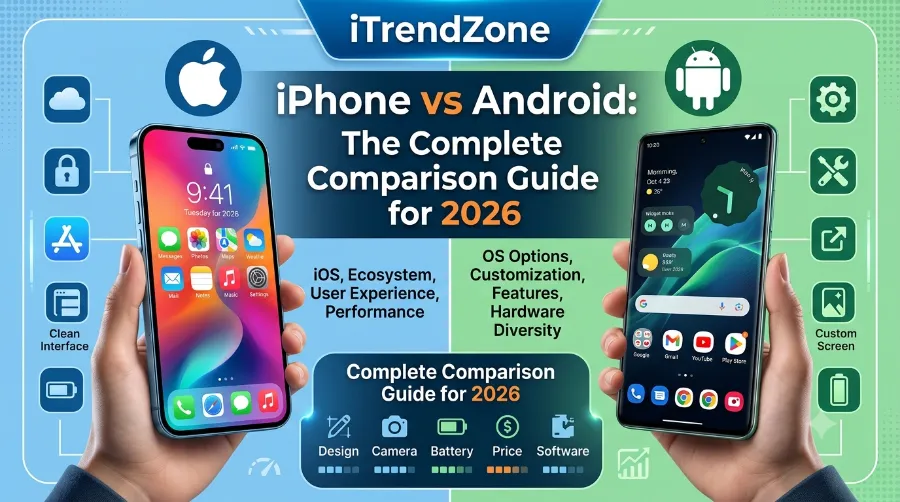
There is no universal winner here. Choose iPhone if you already own a Mac or Apple Watch, want longer guaranteed software support, and prefer a camera that needs less editing. Choose Android if you want more price flexibility, deeper customization, faster charging, and you are comfortable with a slightly steeper learning curve across different brands.
I personally kept both phones after this test, but my primary daily driver stayed the iPhone 17 Pro mostly because of how tightly it works with my Apple Watch during workouts. Your answer will likely depend on habits just like that one, rather than any single spec sheet number.
Frequently Asked Questions
Is iPhone still better than Android in 2026?
Neither phone is universally better. iPhone tends to win on camera consistency, resale value, and update longevity, while Android wins on price range, customization, and charging speed.
Which phone has better AI features right now?
Gemini on Android currently feels more complete for everyday tasks like summarizing messages, while Apple Intelligence is still rolling out its more advanced Siri features gradually through 2026.
Does Android really update slower than iPhone?
It depends on the brand. Pixel and Samsung flagships now match or exceed seven years of guaranteed updates, but many budget Android phones still fall behind Apple’s support window significantly.
Is switching from iPhone to Android difficult?
The biggest friction point is usually group chats through iMessage, since Android users lose reactions and read receipts. Moving photos, contacts, and apps over is otherwise fairly smooth using Google’s own transfer tools.
Which phone holds its resale value better?
iPhones consistently hold value longer than most Android flagships, often retaining 50 to 60% of original price after two years compared to 30 to 40% for many Android competitors.
Conclusion
After weeks of switching between both phones daily, my honest takeaway is that this decision comes down to your existing habits more than raw specifications. If you value one seamless ecosystem and do not mind paying a premium for it, iPhone still delivers that experience reliably. If you want more control over your device and a wider range of prices to choose from, Android gives you options iPhone simply cannot match this year.
Whichever side you land on, both platforms are genuinely strong in 2026, and neither choice will leave you with a bad phone. For more detailed buying advice tailored to your budget, check our complete iPhone buying guide here on iTrendZone.
References
- Apple official iOS support documentation
- Android official feature updates page
- MacRumors iOS 26 roundup coverage
- TechCrunch reporting on Android 16 AI features
- Macworld iPhone 17 pricing and release coverage
- Industry market share and shipment tracking reports for 2026
- Telecommunication Streets iPhone vs Android 2026 comparison
- DiveDeep Apple iPhone vs Android 2026 comparison
- Wezom iPhone vs Android user differences report